

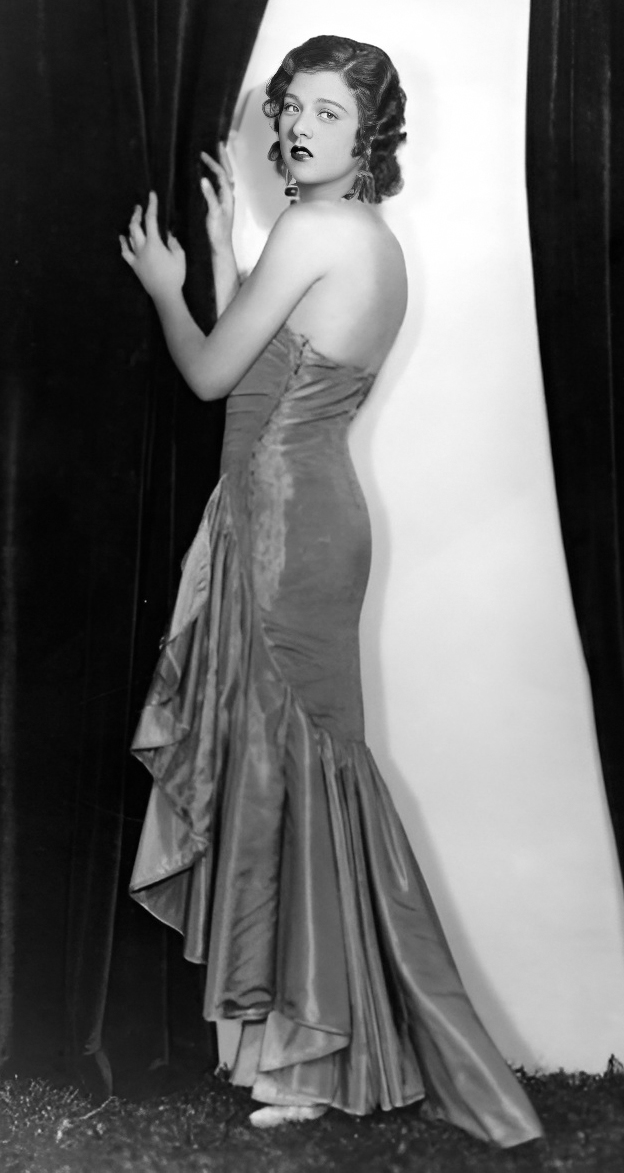
Libby Holman
Libby Holman Biography
Personal
Body
About Libby Holman
Libby Holman (born Elizabeth Lloyd Holzman; May 23, 1904 – June 18, 1971) was a trailblazing American torch singer, Broadway actress, socialite, and activist whose life blended glamour, scandal, and profound social impact. Emerging from Cincinnati roots, she hit Broadway in the 1920s with a smoky, throaty voice (honed after throat surgery) and became one of the era's first great white torch singers—famous for sultry hits like "Moanin' Low" (1929), "Body and Soul," "Can't We Be Friends," and others in revues such as The Little Show (with Clifton Webb and Fred Allen), Three's a Crowd, and Cole Porter's You Never Know.
Nicknamed "The Statue of Libby," she popularized the strapless evening dress, embodied the Jazz Age's bold spirit, and navigated a whirlwind personal life filled with high-profile romances, including her marriage to tobacco heir Zachary Smith Reynolds (who died by gunshot in 1932 amid murder accusations against her that were ultimately dropped). Later, she shifted focus to civil rights activism—performing integrated concerts with Josh White in the 1940s, supporting Martin Luther King Jr. (funding his India trip), and using her wealth and platform for humanitarian causes.
Her story was one of resilience amid tragedy: early poverty turned to fame and fortune, but marked by losses (including her son's accidental death) and personal struggles. She ended her life by suicide in 1971 at her Connecticut estate "Treetops."
Libby's daring voice, revolutionary spirit, and unapologetic life continue to inspire— a true icon of torch singing and social change. 🎤💔✨ LibbyHolman TorchSinger #BroadwayLegend
Libby Holman Links
Leave a comment
Commenting is disabled for non-registered users. Please register and login if you want to leave comments.
User comments
No comments posted yet.