

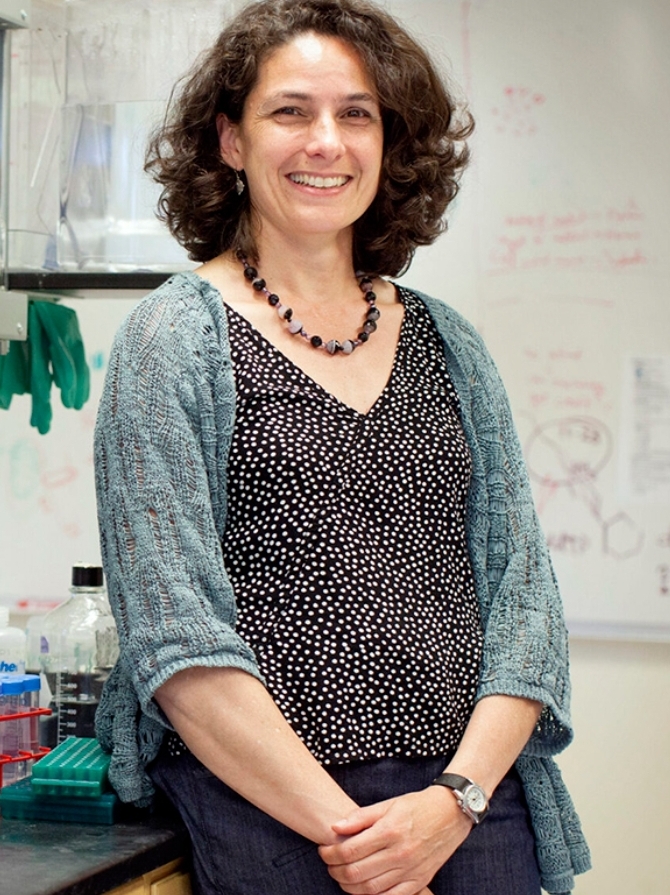
Nicole King
Nicole King Biography
Personal
About Nicole King
Dr. Nicole King is an evolutionary biologist and professor at the University of California, Berkeley. She is best known for her research on choanoflagellates; single-celled organisms that are the closest living relatives of animals; which has helped scientists understand how multicellular animals evolved from single-celled ancestors.
Dr. King demonstrated that choanoflagellates are the closest living relatives of animals, resolving a major question in evolutionary biology.
She showed that many genes once thought to be unique to animals, including those involved in cell adhesion (such as cadherins) and cell signaling, actually existed before animals evolved.
Sh helped reveal that environmental bacteria can influence choanoflagellate development, suggesting that microbes may have played an important role in the evolution of multicellular life.
She developed genetic and genomic resources, including ChoanoBase, to support research on choanoflagellates.
Education and career:
B.S. in Biology from Indiana University (1992).
A.M. (1996) and Ph.D. (1999) from Harvard University.
Postdoctoral research at the University of Wisconsin–Madison.
She oined the UC Berkeley faculty in 2003 and became a Howard Hughes Medical Institute (HHMI) Investigator in 2013.
Dr. King has received numerous prestigious awards, including:
MacArthur Fellowship ("Genius Grant") in 2005.
Pew Scholar in the Biomedical Sciences (2004).
Election to the U.S. National Academy of Sciences (2022).
Fellow of the American Association for the Advancement of Science (AAAS) (2023).
Dr. King is recognized as a leading scientist whose work has transformed our understanding of one of biology's biggest questions: how the first animals evolved from single-celled organisms.
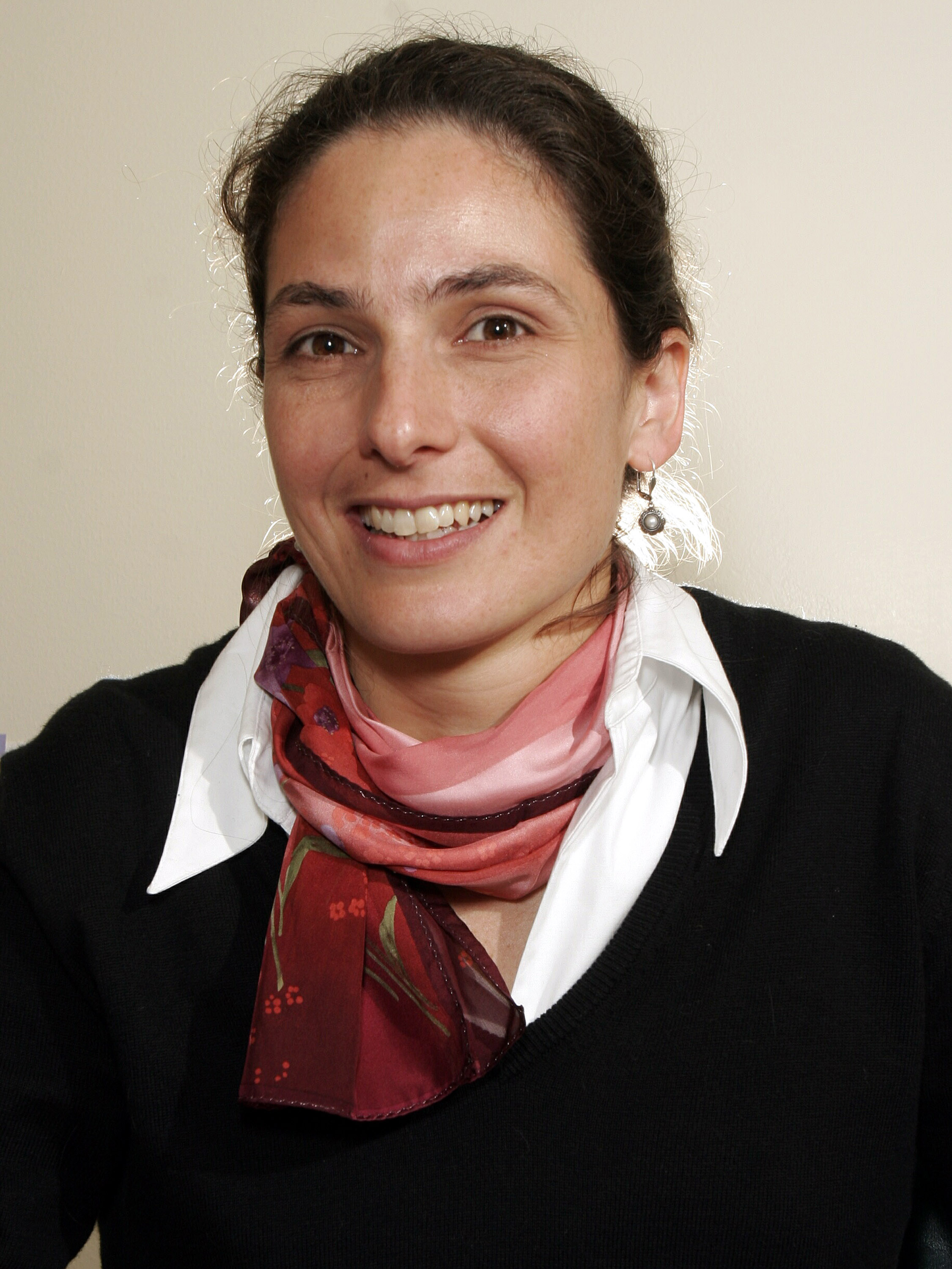
Nicole King Photos (Uploaded By Our Users)
Nicole King Links
Leave a comment
Commenting is disabled for non-registered users. Please register and login if you want to leave comments.
User comments
No comments posted yet.